
5
Million Dollars to Enhance Elementary STEM Education





Three STEM Education Centers are leading a National STEM Teacher Corps Regional Alliance Pilot Program—an investment in elementary STEM education across the Mid-Atlantic—and are seeking qualified teachers to apply.
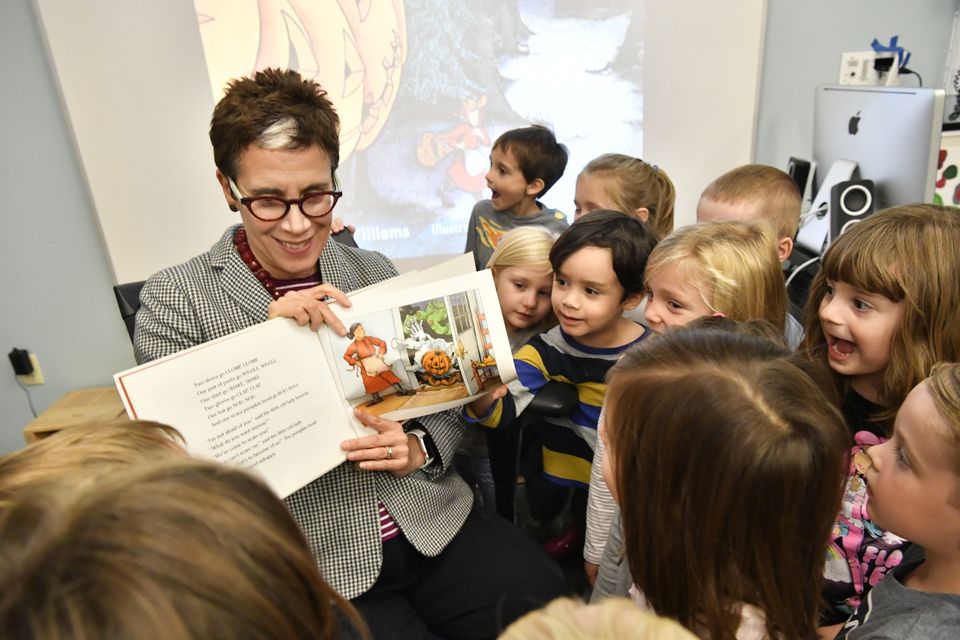
We are seeking passionate and qualified elementary teachers to apply for this elite pilot program. With limited spots available, this initiative represents a significant investment in elementary STEM education across the Mid-Atlantic region.
5
Million Dollars to Enhance Elementary STEM Education

3
Universities Working Toward STEM Education

27
Passionate & Elite Elementary Teachers Leading The Charge

4
Transformative & Cutting-Edge STEM Teaching Programs
A Program to Create a Network of K-5 Educators who Advance Early STEM Learning
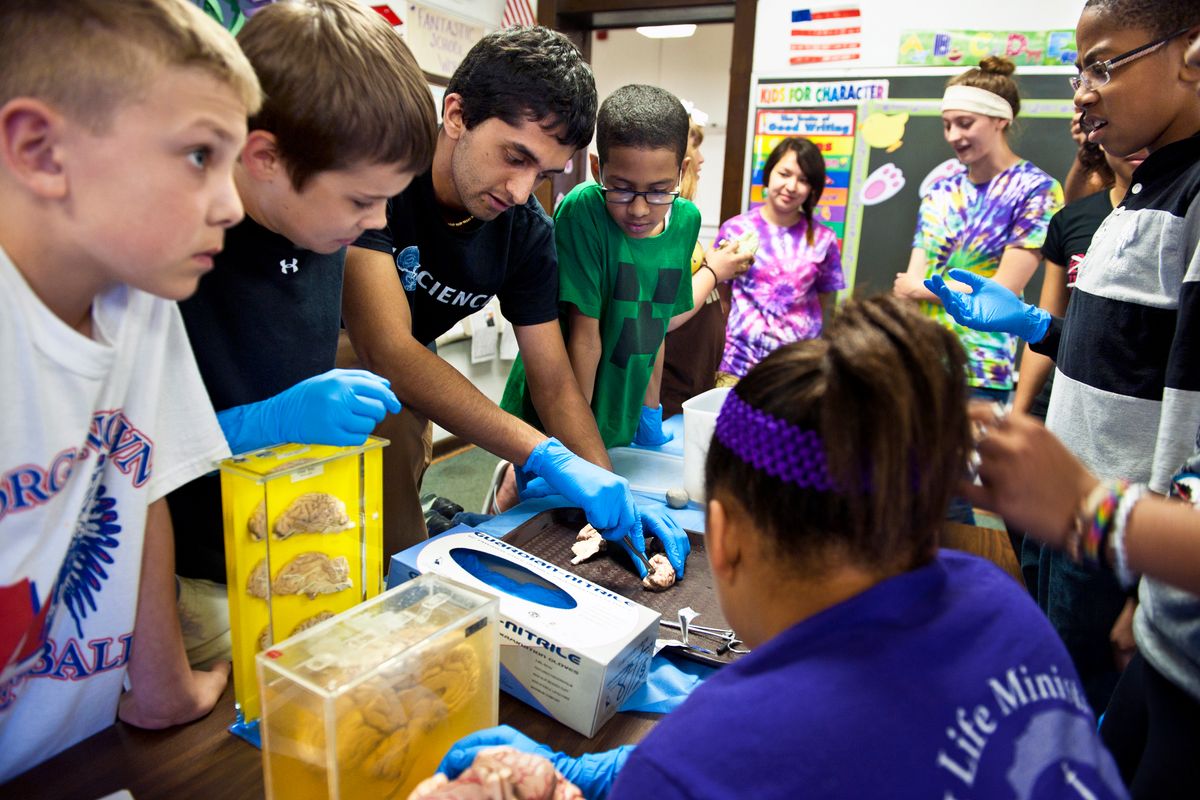
This funding will support 27 teachers in the STEM Pioneers Teacher Corps, offering extensive professional development and resources over the 5 years of the grant.
Launching a program that is specifically designed for K-5 educators to enhance STEM teaching practices and student learning.
Building a network that brings together teachers, schools, and organizations across three states who are committed to elementary-level science education.
Providing teachers with leadership training and opportunities to learn about the latest developments in science and engineering, along with practical strategies to bring these concepts into their classrooms in developmentally appropriate ways.
Supporting the STEM Pioneers teachers to extend strong learning experiences into more classrooms to ensure every student develops proficiency in science and engineering, giving all children the foundation they need to succeed in STEM.
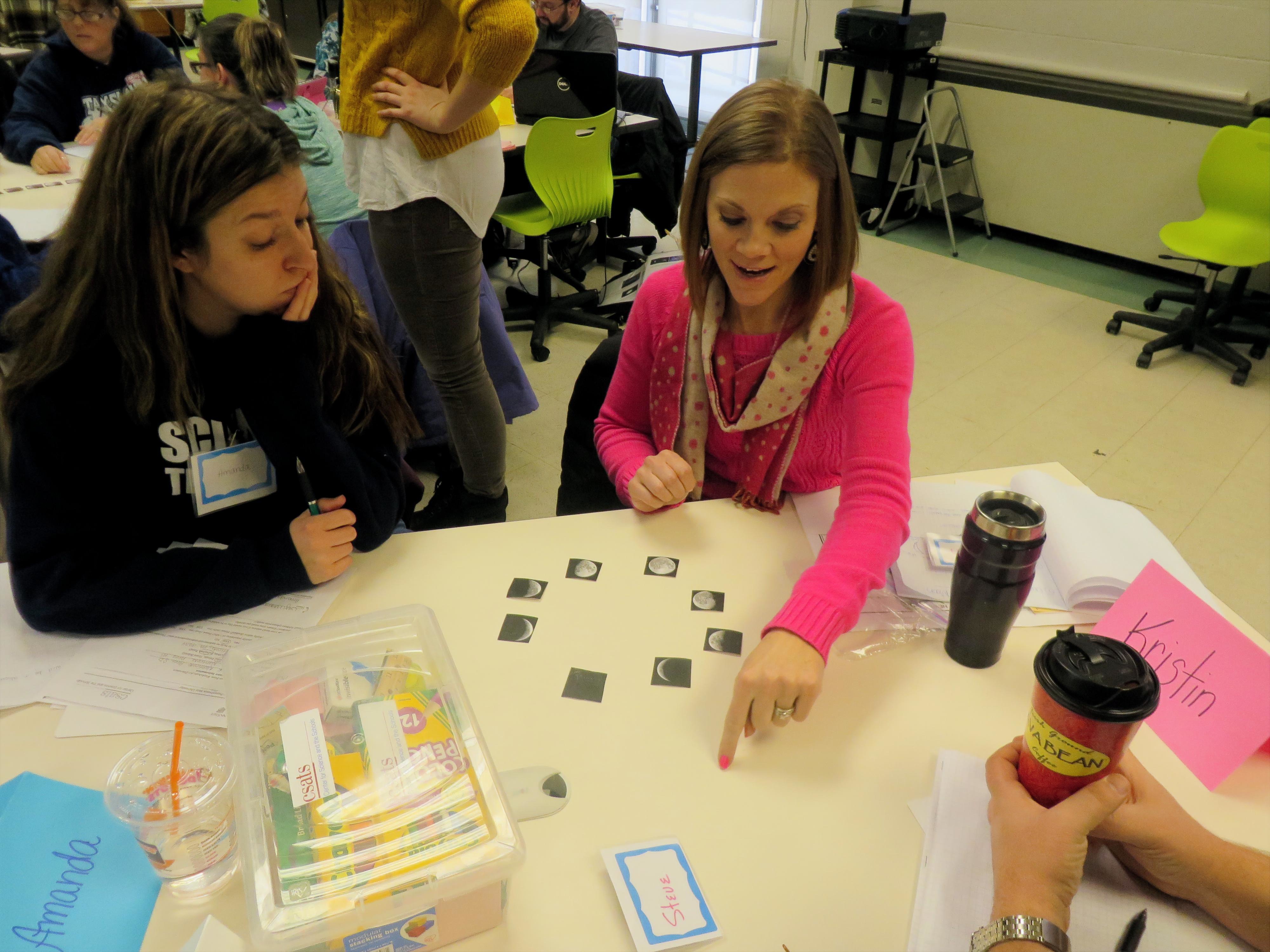
The network approach enables professional development efforts to be coordinated across state lines so that successful practices can be shared and scaled effectively.
The Penn State Center for Science and the Schools (CSATS) serves as a vital bridge between Penn State’s cutting-edge research and K-12 classrooms throughout Pennsylvania and beyond, transforming how students develop STEM fluency and critical thinking skills.
The Center for Excellence in STEM Education at TCNJ is a multidisciplinary hub that promotes inquiry and design-based learning while serving as a school service center, professional development site, product development center, and community resource.
The WVU Center for Excellence in STEM Education offers cutting-edge programs, platforms and partnerships to enhance STEM education in West Virginia at all education levels, K-20.
The new NSF project is a partnership between Penn State University, West Virginia University, The College of New Jersey, multiple K-12 school districts, award-winning teachers, state-level STEM education networks and science teacher associations.
The partnerships bring science and engineering faculty directly into professional development programs, where they share authentic research practices with teachers and help ensure that classroom instruction reflects the real work of scientists and engineers.
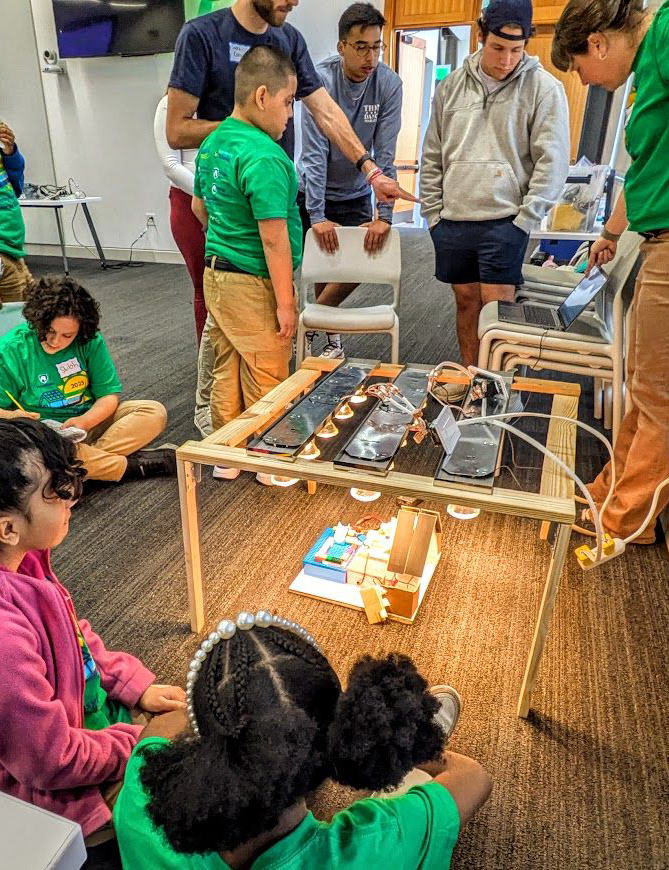
In a K–5 STEM learning environment, young learners will be introduced to the basics of mechanics and power generation and early concepts of energy and electricity. K-2 grade-level activities will address foundations of mechanics, building structures, and circuits. Scaffolded activities involving wind turbines will enable students in grades 3-5 to explore how moving air can be transformed into energy, helping students learn and apply concepts of science, engineering design, and technology in an age-appropriate way. We will leverage the facilities of the School of Engineering at The College of New Jersey in our professional development session.
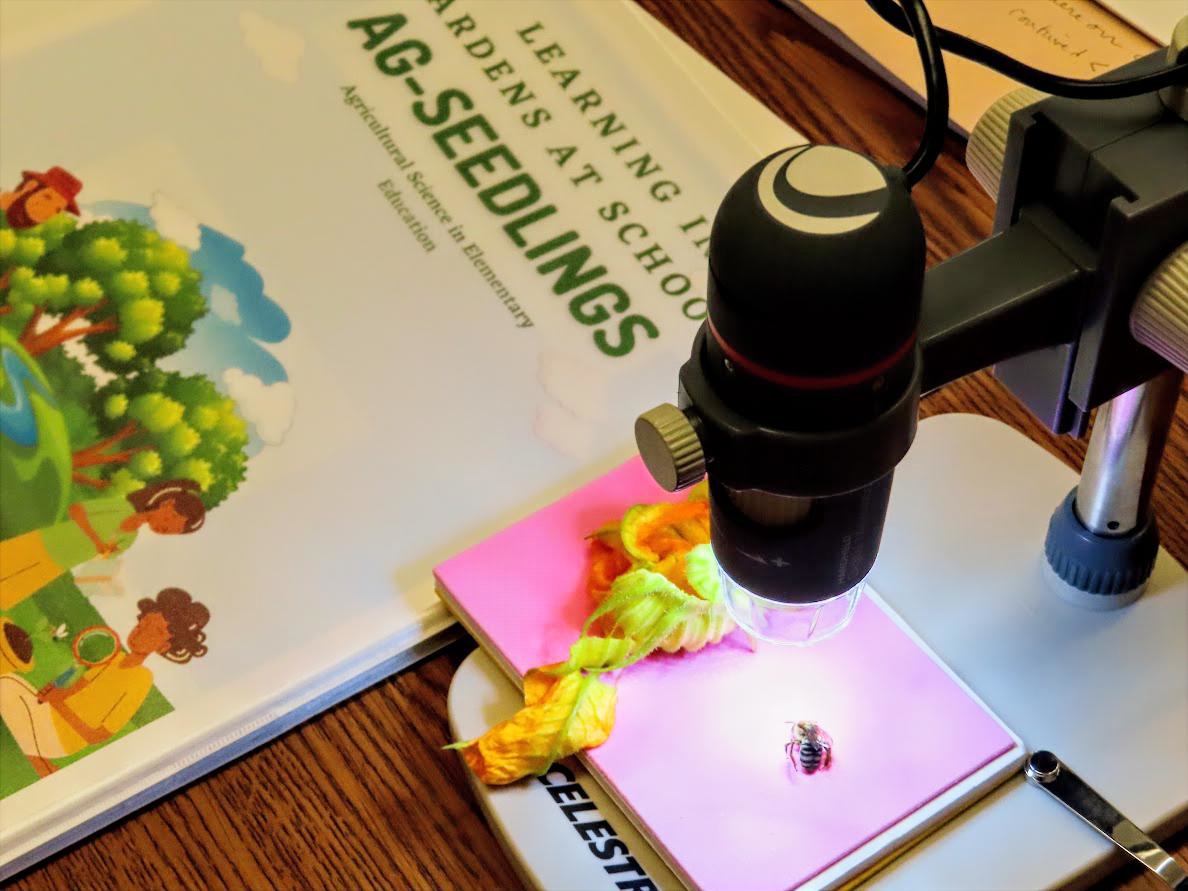
The AG SEED-LINGSTM curriculum affords students in grades K-5 with research-inspired activities of agricultural and pollinator science, equipping teachers and students with integrated curriculum, garden-based activities, and scientific inquiry tools to explore ecosystems tied to food production. Additional lessons will introduce students to cutting-edge food harvesting techniques. We will leverage the pollinator garden at The Arboretum at Penn State in our summer workshop.
With a focus on the basics of light and magnetism and technologies in astronomy, K-5 grade level activities will address foundations of light and the use of light in making observations. Additional activities will explore the interactions of magnetic and non-magnetic materials and magnetic fields. We will leverage the newly renovated planetarium at West Virginia University and the Apophis Asteroid approach to Earth in our professional development sessions.
K-5 grade level activities will address foundations of water’s many forms, weather and extreme events, and technologies that help make predictions and keep people safe. Students in grades K-5 will investigate the weather around them and how water reaches and moves across the Earth's surface. Students will engage in field investigations of erosion, watershed dynamics, and landscape change, equipping classrooms with tools and activities to deepen understanding of hydrology, land processes, and environmental stewardship.
Elementary educators stand at the frontier of STEM education, uniquely positioned to build foundational STEM proficiencies & identities in young learners during their most formative years. Through engaging students in authentic science & engineering practices, K-5 teachers create learning environments where all children can investigate the natural world, develop solutions to problems, & build the curiosity and skills essential for future STEM learning and careers. By recognizing & elevating elementary educators as critical STEM teachers, we prepare a scientifically literate public & a strong STEM workforce capable of addressing the complex challenges facing our communities and nation.
This program aims to:
(PDF Download)
Interested in The National STEM Teacher Corps Regional Alliance Pilot Program? Do you want to become a STEM Pioneer—1 of the 27 passionate & elite elementary teachers leading the charge? Please contact us to find out more.